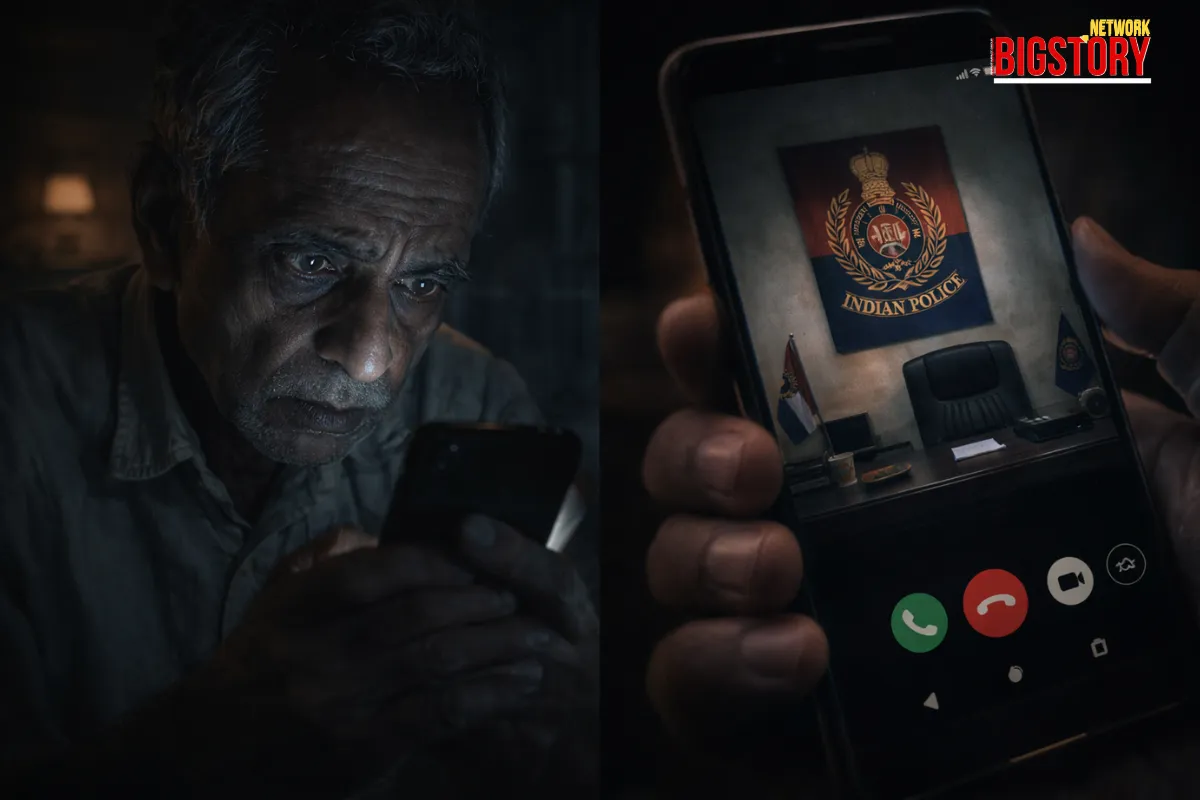
In one of Karnataka's largest single-victim cyber frauds, fake CBI officers psychologically tortured a senior citizen for six weeks, forcing him to liquidate his life savings while banking safeguards completely failed to intervene.
 Brajesh Mishra
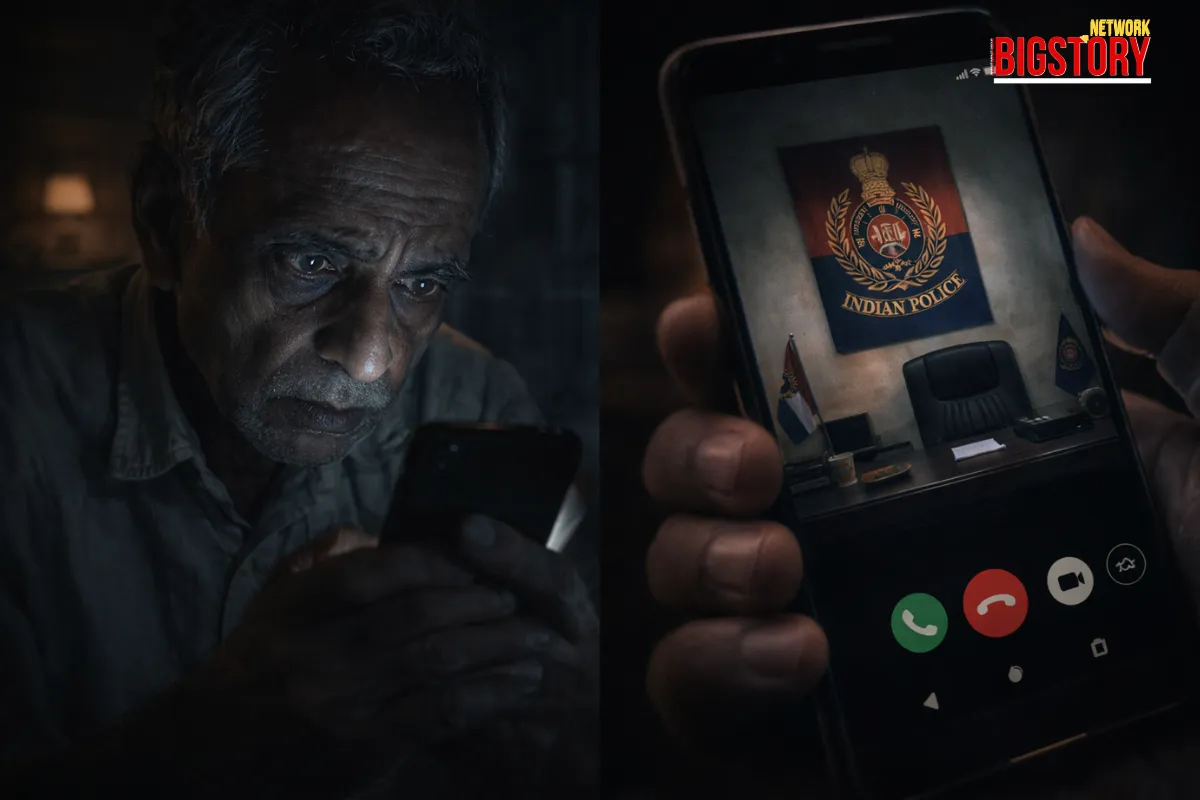
What happened: An 81-year-old businessman from Belagavi, Karnataka, was defrauded of ₹15.45 crore by cybercriminals posing as CBI officials in a massive "digital arrest" scam.
Why it happened: The fraudsters falsely accused the senior citizen of being involved in a ₹25 lakh money laundering case linked to Jet Airways founder Naresh Goyal, sending fake Supreme Court notices to terrify him into compliance.
The strategic play: By isolating the victim and keeping him on continuous video and audio calls for weeks, the scammers forced him to liquidate his decades-old stock portfolio and transfer the funds to "safe government accounts" for verification.
India's stake: The case exposes the extreme vulnerability of senior citizens to sophisticated psychological cyber-extortion, highlighting a glaring lack of automated banking safeguards to flag unusually massive, sudden liquidations of life savings.
The deciding question: Will the RBI implement mandatory physical verification protocols for high-value digital transfers initiated by senior citizens, or will the "digital arrest" epidemic continue to drain India's elderly?
One of the largest single-victim cyber fraud cases in Karnataka's history has just come to light, exposing the devastating effectiveness of psychological extortion in the digital age. On Monday, authorities revealed that an 81-year-old businessman from Belagavi was systematically stripped of his life savings, losing a staggering ₹15.45 crore to cybercriminals who kept him under "digital arrest" for six weeks by posing as Central Bureau of Investigation (CBI) officers.
The horrifying ordeal perfectly illustrates how highly organized, transnational crime syndicates are weaponizing fear, official-looking documents, and frictionless digital banking to bypass traditional law enforcement and drain the wealth of India's retiring middle class.
Bhushan Gulabrao Borse, Commissioner of Police, Belagavi Commissioner Borse has formed a special investigation team (SIT) to hunt down the interstate cybercrime syndicate. Following the FIR, he issued an urgent public advisory, explicitly clarifying that Indian law enforcement does not conduct investigations over WhatsApp. "There is no legal provision of digital arrest in India," he stated, urging citizens to immediately disconnect such calls.
Cyber, Economic and Narcotics (CEN) Police Station, Belagavi The primary agency handling the largest single-person cyberfraud reported in the district. The CEN team successfully traced the complex transaction layering across multiple states and managed to freeze a bank account holding ₹90 lakh, though the bulk of the funds had already been siphoned off.
Cyber Fraudsters (Fake CBI Officials) Operating with chilling psychological sophistication, the syndicate paralyzed the victim with fear. By fabricating official notices and dropping high-profile names to lend credibility to their threats, they successfully isolated the senior citizen from his family for over a month to execute the massive wealth transfer.
Local media coverage is heavily focused on the timeline of the WhatsApp calls, the sheer scale of the financial loss, and the specific use of Naresh Goyal's name to legitimize the extortion. However, while the public focuses on the victim's gullibility, this framing completely misses the catastrophic, systemic failure of India's banking and brokerage institutions.
The real scandal here is the absolute absence of automated friction. The victim reportedly liquidated nearly ₹6 crore in stocks within a single 10-day window and executed NEFT/RTGS transfers of up to ₹2.5 crore per transaction. Despite the Reserve Bank of India's (RBI) stringent KYC and anti-money laundering (AML) guidelines, no bank manager, relationship executive, or stockbroker successfully intervened or temporarily halted these massive, entirely out-of-character outward remittances being made by an 81-year-old man. This case exposes a terrifying reality: the seamless, frictionless nature of modern digital banking is fundamentally enabling and accelerating elder financial abuse.
If an algorithm can instantly block a ₹50,000 credit card swipe for suspicious activity, why does it silently allow an 81-year-old to wire ₹15 crore to a stranger?
News & Wire Coverage:
Official Statements & Data:
 Exclusive Content





Sign up for the Daily newsletter to get your biggest stories, handpicked for you each day.



 Trending Now! in last 24hrs